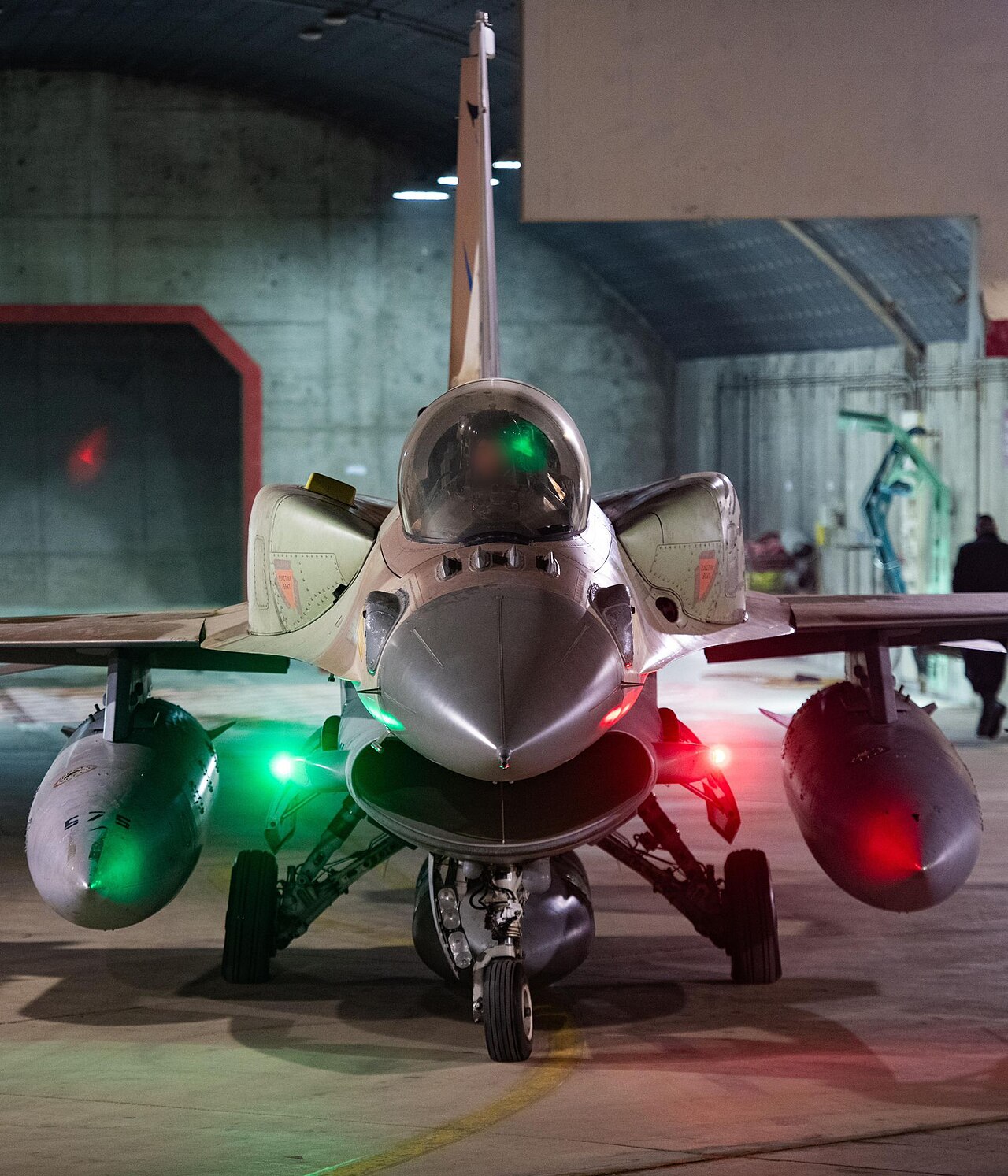
Operation Days of Repentance: Analyzing Israeli Air Strikes on Iran
The volatile geopolitical landscape of the Middle East was once again thrust into the global spotlight on October 26, 2024, when Israel launched a series of targeted air strikes against military installations within Iran. Dubbed "Operation Days of Repentance" by the Israeli military, this retaliatory action marked a significant escalation in the ongoing shadow war between the two regional powers. While described as "limited," these strikes carried profound implications, signaling Israel's resolve to respond directly to Iranian aggression while simultaneously navigating complex international pressures aimed at preventing a full-scale regional conflagration.
The Immediate Aftermath and Reported Casualties
The Israeli Defense Forces (IDF) officially stated that the October 26 strikes were a direct response to Iran's missile attack on Israel on October 1, 2024, and broader "militant actions of the Axis of Resistance." Reports indicated that approximately one hundred combat aircraft were involved in the operation. Crucially, these aircraft did not penetrate Iranian airspace, launching their missiles from a distance of 70 to 100 kilometers from the Iranian border. This tactic underscored a deliberate effort to project power without immediately escalating to a direct air combat scenario over Iranian territory.
The Iranian government reported casualties from the strikes, identifying four military personnel from the Islamic Republic of Iran Air Defense Force who were killed: Mohammad-Mehdi Shahrokhi (or Chahrokhifar), Hamzeh Jahandideh, Sajjad Mansouri, and Mehdi Naghavi. Additionally, one civilian, Allahverdi Rahimpour, was also reported killed. Videos circulated on social media, purportedly showing Iranian air defense systems intercepting incoming missiles over Tehran, suggesting that while the strikes inflicted damage, a significant portion of the incoming ordnance may have been neutralized. The limited number of reported casualties, combined with the visible interceptions, contributed to the assessment that these were indeed "limited" strikes, designed more as a clear message than an all-out assault.
The Escalation Trajectory: Iran's October 1st Attack and its Roots
To fully comprehend the significance of Operation Days of Repentance, it is essential to understand the preceding events that ignited this latest round of direct confrontation. Israel's October 26 strikes were a direct answer to Iran's unprecedented missile barrage on Israel on October 1, 2024.
Iran's Retaliation: Targets and Impact
On October 1, Iran launched what was described as a two-wave missile attack on Israeli territory. Israeli military sources confirmed that over 180 missiles were fired, while reports from Beirut suggested the number could be as high as 400 ballistic missiles. The primary targets were military installations, including the sensitive Glilot base north of Tel Aviv, known to house the headquarters of Israel's intelligence agency Mossad and the elite Unit 8200. Explosions were reported over major Israeli cities like Tel Aviv and Jerusalem.
However, a significant majority of these Iranian missiles were successfully intercepted by Israel's advanced air defense systems, bolstered by assistance from allies including the United States, France, the United Kingdom, and Jordan. While damage was largely contained, the attack was not without casualties. One Palestinian was killed, and several others were injured by missile fragments in Jericho, in the occupied West Bank, highlighting the vulnerability of populations without adequate air raid shelters.
Tracing the Genesis: A Cycle of Retaliation
Iran's October 1st assault was itself a response to a series of high-profile Israeli actions. Central among these were the assassinations of Hamas leader Ismael Haniyeh in Tehran on July 31, 2024, and Hezbollah Secretary-General Hassan Nasrallah during the bombing of the organization's headquarters on September 27. Furthermore, Israel's sustained ground offensive and intense aerial bombardment in Lebanon, which commenced on September 23, significantly contributed to the escalating regional tensions. This marked the second time Iran had directly attacked Israel on its own soil, following a similar, albeit less impactful, attack on April 13, 2024. The cycle of retaliation underscores a dangerous pattern of direct engagement that bypasses traditional proxy warfare, signaling a new, more perilous phase in the long-standing rivalry.
Strategic Restraint and Geopolitical Implications
The limited nature of both the Iranian and Israeli direct attacks in October 2024 is not merely a reflection of tactical choices but a deep strategic calculation influenced by regional and international dynamics.
The US Factor: Preventing Broader Conflict
Following Iran's October 1st missile attack, Israel reportedly considered more severe retaliatory options, including strikes against Iran's nuclear program and oil facilities. Such actions, while potentially devastating to Iran, carried a high risk of igniting an all-out regional war. The United States, particularly the Biden administration, played a pivotal role in dissuading Israel from pursuing these more aggressive options. Concerns about widespread conflict, especially just weeks before critical US elections, underscored the international community's desire to de-escalate rather than broaden the conflict.
This US intervention highlights a crucial aspect of modern geopolitical crises: the balancing act between sovereign response and global stability. Israel's decision to opt for a "limited" response, after informing the US administration of its imminent strikes, demonstrates the complex web of alliances and influences that shape military decisions in such a volatile region. It's a calculated dance between maintaining deterrence and avoiding an uncontrollable conflagration.
Understanding the Dynamics of Deterrence
The "limited" nature of Operation Days of Repentance speaks volumes about the delicate art of deterrence in the Middle East. Both Iran and Israel possess significant military capabilities, yet neither side seems intent on initiating a full-scale war, recognizing the catastrophic potential. Instead, their actions appear to be carefully calibrated to send strong signals of resolve without crossing irreversible red lines.
*
Calculated Signaling: These operations are not solely about destruction; they are potent messages designed to communicate capability, resolve, and the establishment of new red lines. Israel’s strikes demonstrated its ability to project power deep into Iran, while Iran’s October 1st attack proved its capacity to hit Israeli military targets.
*
Proxy vs. Direct: The move towards direct confrontation, rather than solely relying on proxies, marks a significant shift. However, the *limited* nature of these direct attacks suggests a continued preference for calculated engagement rather than unrestrained warfare.
*
Off-Ramps and De-escalation: The involvement of international actors, especially the US, in facilitating communication and influencing decision-making, provides crucial "off-ramps" to prevent a runaway escalation. For those observing these complex dynamics, understanding the *limits* and the *intended messages* behind such attacks is as important as recognizing their occurrence.
For deeper insights into the strategic considerations behind these events, readers might find value in exploring
Israel's October 2024 Strikes on Tehran: Limited Retaliation Explored.
Impact and Future Outlook: Navigating Regional Tensions
Even "limited" military operations carry significant human and societal costs, alongside their profound geopolitical ramifications. Understanding these impacts is crucial for grasping the potential future trajectories of the Israel-Iran rivalry.
The Human Cost and Societal Impact
While Operation Days of Repentance resulted in a relatively small number of reported casualties compared to a full-scale war, the loss of life — both military and civilian — underscores the tragic human element of these conflicts. Every strike, every interception, and every alert takes a toll on the psychological well-being of populations in both Israel and Iran. The constant threat of escalation, even if controlled, fosters anxiety and instability, affecting daily life and economic activity. Even if widespread destruction from these specific, limited *frappes israéliennes téhéran* was averted, the underlying threat remains a pervasive concern. The lingering images of intercepted missiles over Tehran and the reports of casualties are stark reminders of the ever-present danger.
Analyzing International Reactions and Diplomatic Efforts
The international community universally condemned the escalation, with calls for restraint echoing from the United Nations and various global capitals. The United States, while a key ally to Israel, has consistently stressed the importance of de-escalation, actively working to prevent the conflict from spiraling into a broader regional war that could draw in other nations and destabilize global energy markets.
The terminology itself, such as the widely searched term
frappes israéliennes téhéran (Israeli strikes Tehran), frequently appearing in international news searches, reflects the global attention and concern surrounding these events. It's a clear indicator of how these regional tensions resonate across borders, influencing diplomatic strategies and international relations. The fragility of peace in the Middle East demands sustained diplomatic engagement, robust communication channels, and a shared commitment from all parties to avoid actions that could lead to irreversible consequences.
To gain a broader perspective on the ongoing tensions and the context surrounding these events, consider reading
Tehran Under Fire: Understanding the Latest Israel-Iran Escalation.
In conclusion, "Operation Days of Repentance" served as a calculated, albeit dangerous, chapter in the complex narrative of Israel-Iran hostilities. While the strikes were militarily limited, their strategic significance was immense, demonstrating Israel's capacity for direct retaliation and Iran's vulnerability. The delicate balance of deterrence, heavily influenced by US diplomatic intervention, prevented a more catastrophic escalation. Moving forward, the region remains on tenterhooks, with the prospect of direct confrontation between these two powerful nations casting a long shadow. The imperative for de-escalation, reinforced by concerted international diplomatic efforts, has never been more critical in preventing a regional conflagration with global ramifications.